
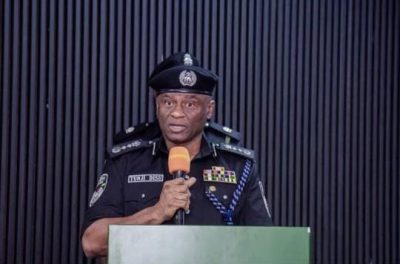
Three Senior Advocates of Nigeria — Olu Daramola, Olalekan Ojo and Isiaka Olagunju — have weighed into the controversy over citizens recording police officers, maintaining that the law permits Nigerians to document officers performing official duties in public spaces.
The lawyers were responding to concerns raised by Inspector-General of Police Olatunji Disu about the growing practice of filming officers. Daramola relied on the Federal High Court decision in Maxwell Uwaifor v Inspector-General of Police, saying the judgment remains valid and binding. According to the report, the court also prohibited officers from arbitrarily seizing phones or deleting recordings and stressed the importance of visible identification by officers.
The constitutional dimension is particularly important. Section 39 of the 1999 Constitution protects freedom of expression and the right to receive and impart information. The lawyers, however, acknowledged that the right to record does not authorise citizens to physically obstruct officers carrying out lawful duties.
The Police later clarified that the IGP was not seeking an outright prohibition on recording officers, but was concerned about situations where encounters are allegedly provoked, staged or converted into entertainment content.
For Nigerian policing, the controversy raises a consequential question: how should the legitimate dignity and operational safety of officers be balanced against the public’s right to document state power and preserve evidence of police encounters?
Source: Punch Newspapers
Read More:
‘I Was Unfair’ – VeryDarkMan Apologises To Soldiers, Police Over Attack
