


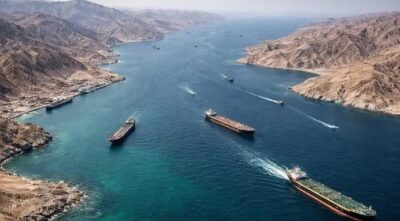
Global oil markets have come under renewed pressure as escalating tensions in the Middle East raise fears of disruptions to one of the world’s most important energy-producing regions.
A Reuters report published on October 22 said Brent crude rose by about 3.08 per cent to $112.17 per barrel, while US West Texas Intermediate crude reached $99.83. The price movement reflects growing concern about the security of energy infrastructure and shipping routes, including the strategically important Strait of Hormuz.
The Strait of Hormuz is a major passage for international oil shipments. Any sustained disruption there could affect the volume of crude reaching global markets, increase transport and insurance costs, and force buyers to compete for alternative supplies.
For consumers, the consequences can extend well beyond the price of crude oil. Higher international oil prices can put pressure on petrol, diesel, aviation fuel, shipping, electricity generation and the cost of transporting food and other goods. The actual impact in each country will depend on domestic pricing arrangements, exchange rates, taxes, supply conditions and government policy.
Nigeria occupies a distinctive position in this situation. As an oil-producing country, it may benefit from stronger crude prices through increased export earnings and government revenue. But higher prices do not automatically translate into better living standards for ordinary Nigerians. The country must also consider domestic fuel costs, the exchange rate, production levels, refining capacity and the cost of imported goods.
There is also a wider danger: if oil prices remain elevated for a prolonged period, businesses may face higher operating expenses, central banks may find it harder to reduce inflation, and consumers may have less money available for other purchases.
The next major question is whether the latest increase will prove temporary or develop into a sustained energy-market shock. Traders will be watching developments in the Middle East, the security of maritime routes and any diplomatic efforts to prevent further escalation.
Why this story matters: The direction of oil prices could influence government revenue, fuel costs, inflation and business confidence in Nigeria and across the world.
Related news


behind Games Village, Abuja
5A, CGH, Games Village, Abuja