

The European Commission has suspended financial support to Sierra Leone amid concern over the country’s handling of convicted Dutch drug trafficker Jos Leijdekkers.
Leijdekkers is wanted by European authorities over serious cocaine-trafficking offences and has been convicted in the Netherlands.
Dutch authorities believe he has been in Sierra Leone and have sought cooperation in securing his arrest and return.
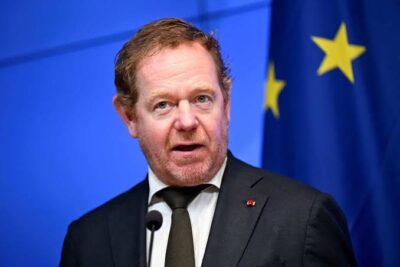
Dutch Justice Minister David van Weel said the European Union had decided to suspend funding because of what European authorities regard as inadequate cooperation from Sierra Leone.
The development represents a significant escalation.
International criminal cases ordinarily depend on extradition treaties, domestic arrest procedures, INTERPOL notices and cooperation among law-enforcement agencies.
Where a wanted person is believed to be inside another sovereign state, foreign authorities generally cannot simply enter that country and make an arrest.
They require cooperation from local institutions.
The dispute involving Leijdekkers therefore tests the effectiveness of those international mechanisms.
It also places Sierra Leone under diplomatic pressure because EU financial assistance supports development programmes beyond the immediate criminal case.
Sierra Leone’s government position and any legal objections to surrender would be important in determining how the dispute develops.
Extradition cases can involve issues including nationality, domestic criminal procedure, treaty requirements, human rights and the enforceability of foreign convictions.
For West Africa, the controversy underscores how drug trafficking networks increasingly operate across several jurisdictions, requiring international police and judicial cooperation to investigate assets, movement and criminal proceeds.Related Story: South African Woman Jailed 25 Years for Heroin Importation
News Source: Reuters